
Sustainable Eating
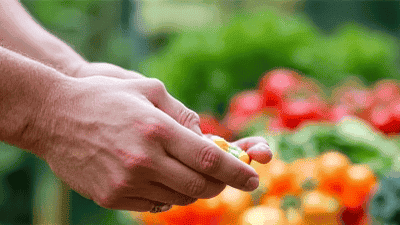
Support Local Farms: Why Choose Local Ingredients
In today's globalized economy, the way we source our food has shifted considerably. With the convenience of supermarket chains, it is easy to overlook the importance of where our food comes from.
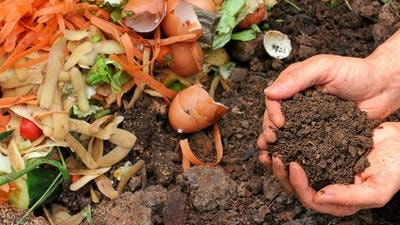
Making Natural Fertilizer from Kitchen Scraps
As awareness of sustainable living increases, many people are looking for ways to reduce waste and repurpose their kitchen scraps. One of the best ways to do this is by creating natural fertilizer from leftover food items.

Sustainable Eating: Emerging Trends in 2025
As we step into 2025, the conversation around sustainable eating has gathered immense momentum. The growing awareness of climate change, environmental degradation, and health issues related to poor dietary habits has driven individuals, organizations, and governments to rethink how we produce, consume, and waste food.
Choosing Organic Ingredients: Budget-Friendly Guide
In today's health-conscious society, the demand for organic ingredients is at an all-time high. However, many people believe that organic foods are too expensive and out of reach for their budget. The reality is that you can incorporate organic ingredients into your diet without breaking the bank.

Budget-Friendly Tips for Sustainable Eating
In today's world, sustainability is becoming more than just a buzzword; it's a necessity for ensuring a healthy planet and a healthy lifestyle. As awareness of climate change and environmental degradation grows, many individuals seek to make more conscious food choices.